Kibarani: The children at the landfill
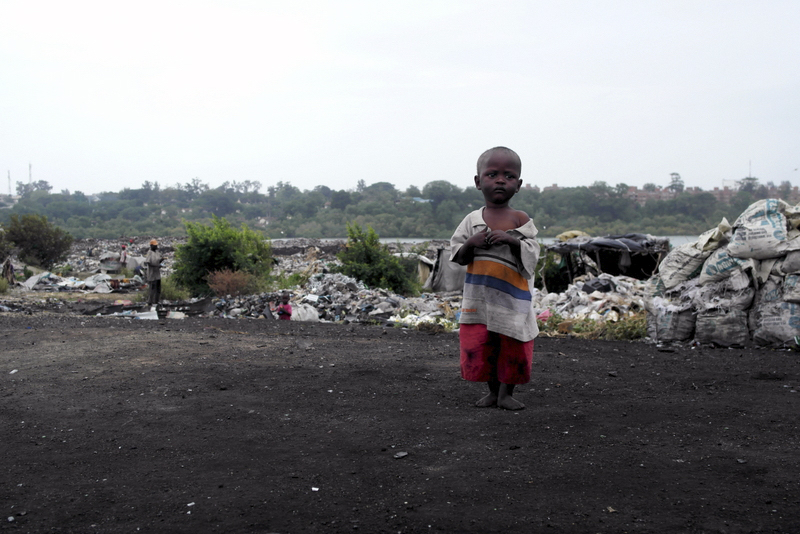
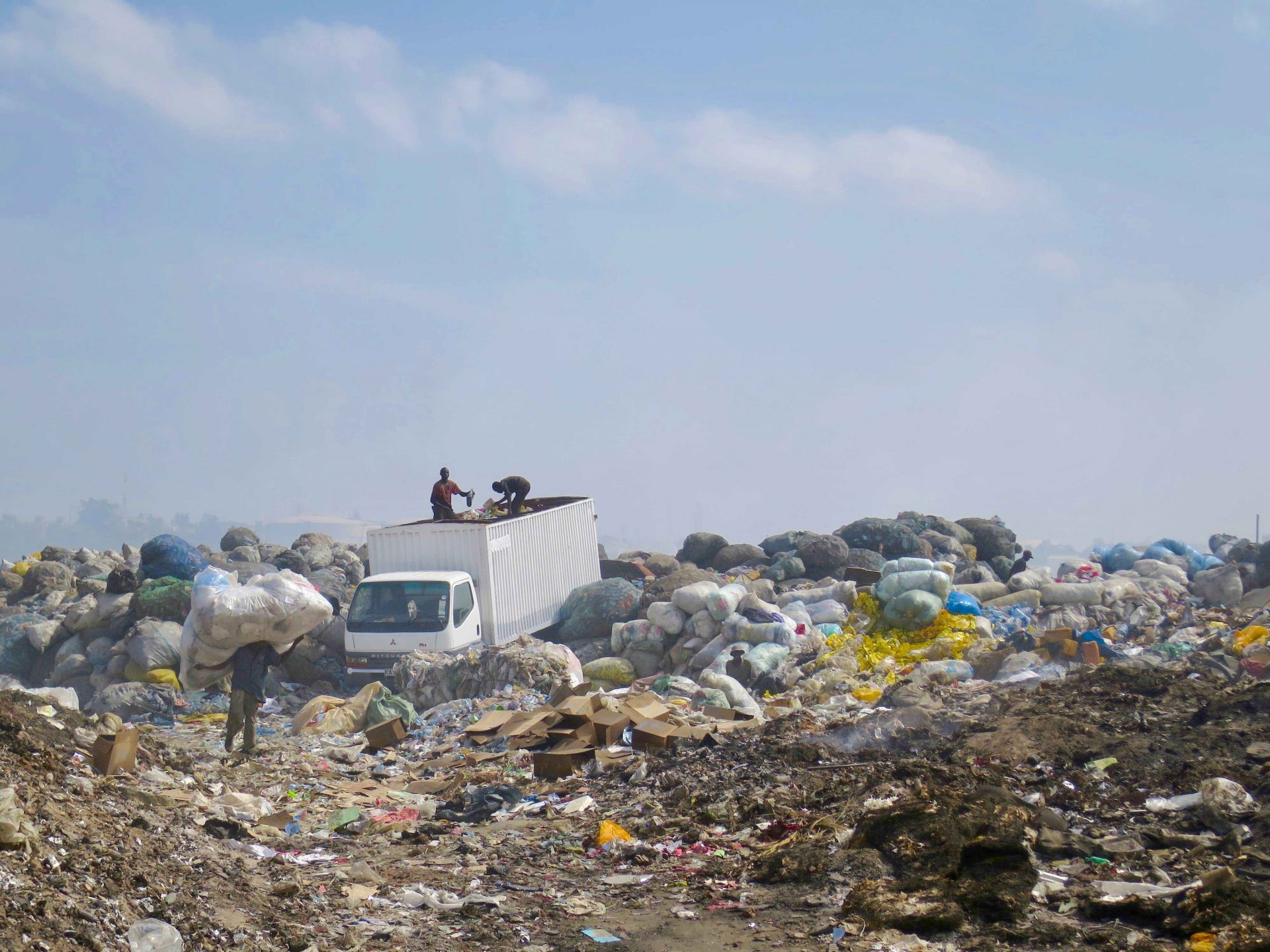
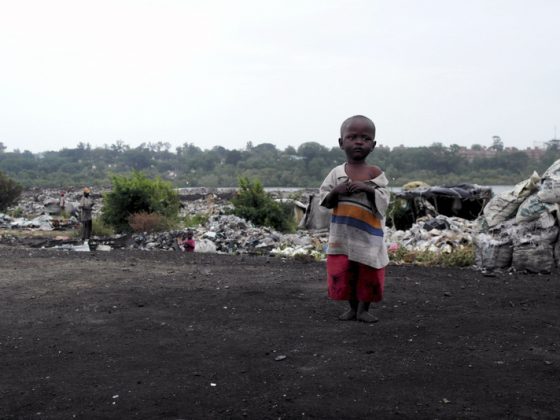
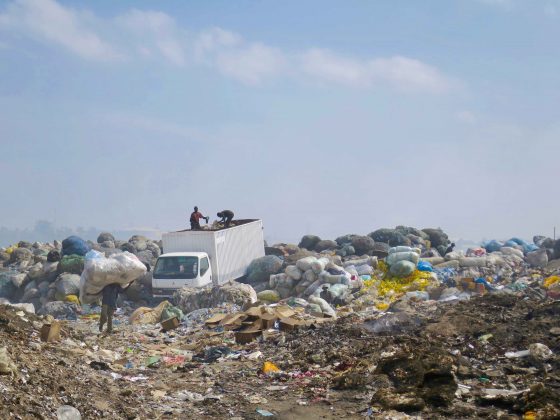
Our school project in Kibarani was the organisation's very first project. At the time, there was no school in the area - and many of the children worked on the rubbish dump with their parents to provide income for the family. Kibarani is an extremely poor slum area outside Mombasa. Most of the families who live here find their food and income at the nearby dumpsite.
There is a striking difference between the children who go to school and those who do not. The children that have school as a sanctuary are more outgoing and better nourished.
School is not just a sanctuary, but a capacity-building institution where children learn to think critically and independently.
At the same time, the children gain confidence through the national exams and the annual graduation parties, where together with the teachers and families their results are celebrated. Our ambition is to ensure that the school continues to be a sanctuary for the children, which in the long run can accommodate even more children - and have more space for creative and artistic teaching initiatives.
The collaboration between 100% and our local partner Sct. Patrick has year by year been getting stronger.
Together we have achieved the following positive results:
APDK: Children and young people with special needs
In Kenya, nearly 2 million children aged from 0 to 14 years are living with a disability. People with disabilities want to be a part of society. It becomes a possibility when society secures and includes the rights of people with disabilities.
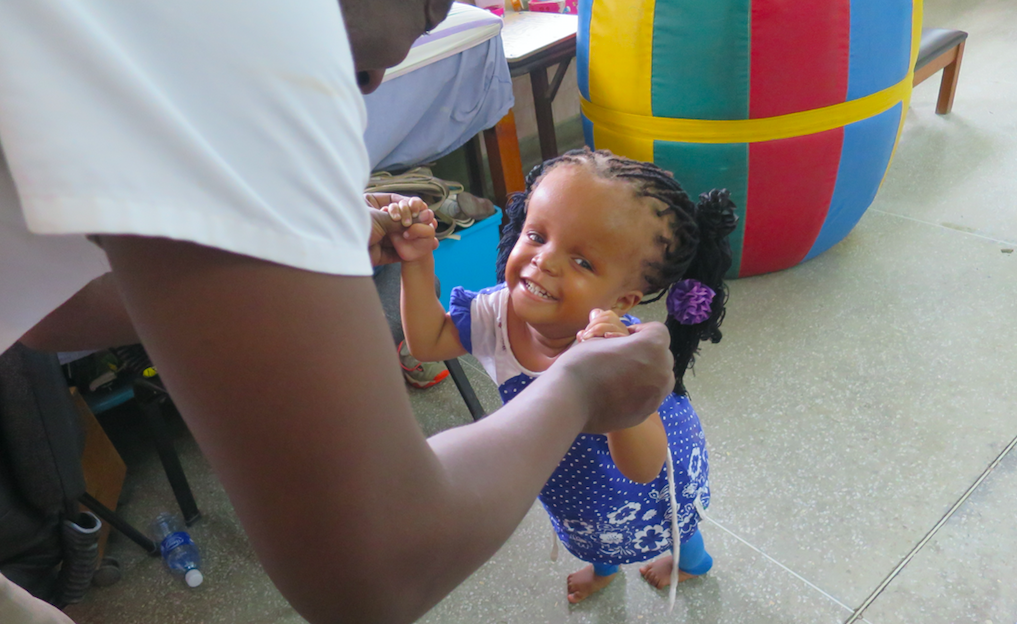
100% for the Children supports children with special needs - some children have congenital conditions, while others have suffered injuries from working at the Kibarani landfill.
We work with the Association for the Physically Disabled of Kenya (APDK) to improve conditions for children with special needs.
The children live in one of the poorest slums in Mombasa. We work with rehabilitation, nutritional counselling and care. We also support our local partner in advocacy work aimed at breaking down prejudice and marginalisation of people with disabilities.
One very tangible result is that several parents have received support to set up a small business. This means sustainability. They can support their families while bringing their children to work. The parents show that it is possible to participate in the local community even if you have a special need. Read our chairwoman's reports from the project in The magazine for young people with special needsand here.
New Hope: The children in orphanages
New Hope Orphanage and School in Kenya is a real success story. The centre originally started with 7 children, but after just three months it had 18 children living there. Currently, 67 orphans who would otherwise be living on the streets live and eat at New Hope, in addition to the approximately 715 children and youth from the surrounding slums who attend the school.
New Hope Orphanage and School is close to sustainability today - and 100% will phase out its financial support over the next few years.
Our ambition with this amazing place is to make it a role model and role model for other 100% partners. We believe in local knowledge sharing and development - and that the positive sustainable development at New Hope can be replicated in many other places for the benefit of many more children. For example, in our work with Kiotani orphanage and school. Here we collaborate with Positive Life Kenya to create a safer environment for children and young people from the slums.
Since 2008, 100% has partnered with New Hope Orphanage and School. Among other things, we have supported:
Sexuality on the school curriculum
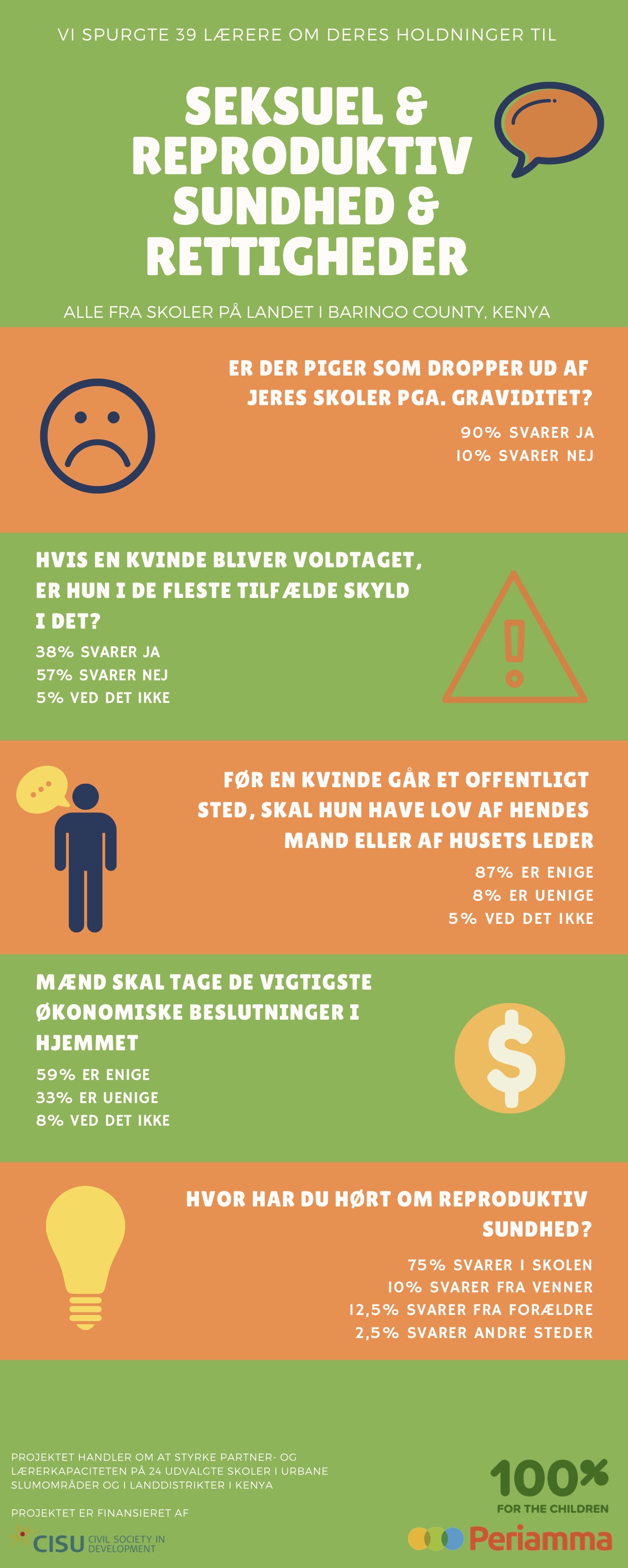
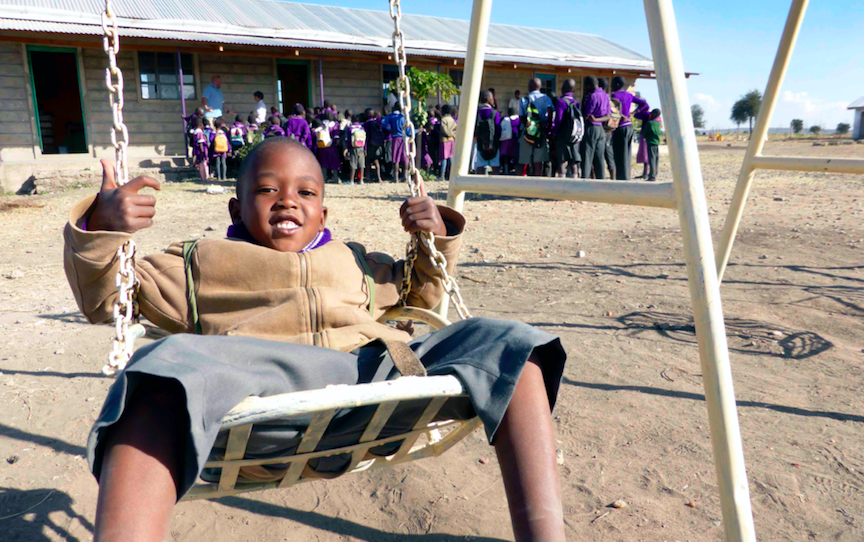
Reproductive rights and homosexuality are important and taboo topics for many young people in Kenya. In most schools, sexual rights are not taught - and many young people lack knowledge. Over the years, 100% has learnt that many young women become pregnant during their school years. This usually means that their education comes to an end. That's why we want more talk about sexuality, health and rights in Kenyan classrooms. Together with both girls and boys and school teachers, we're starting a new project arounda common taboo: physicality and sexuality.
We collaborate with Periamma, Positive Life and Help Mission Development Service about a pilot education project that focuses on strengthening the knowledge of teachers and poor youth about gender, reproductive health and sexual rights. We work with teachers and students in 24 schools in some of the largest slums in Nairobi and the rural Rift Valley. We do this through a participatory approach based on Danish participatory methods. The project is supported by Civil Society in Development (CISU). Read the local project coordinator's stories from the project here.