
People think these three things about street kids: 1) You ran away because you were treated badly at home, 2) You chose to, or 3) You were kicked out because you stole and you were also beaten for stealing.
says 18-year-old Bernice Nkunim.
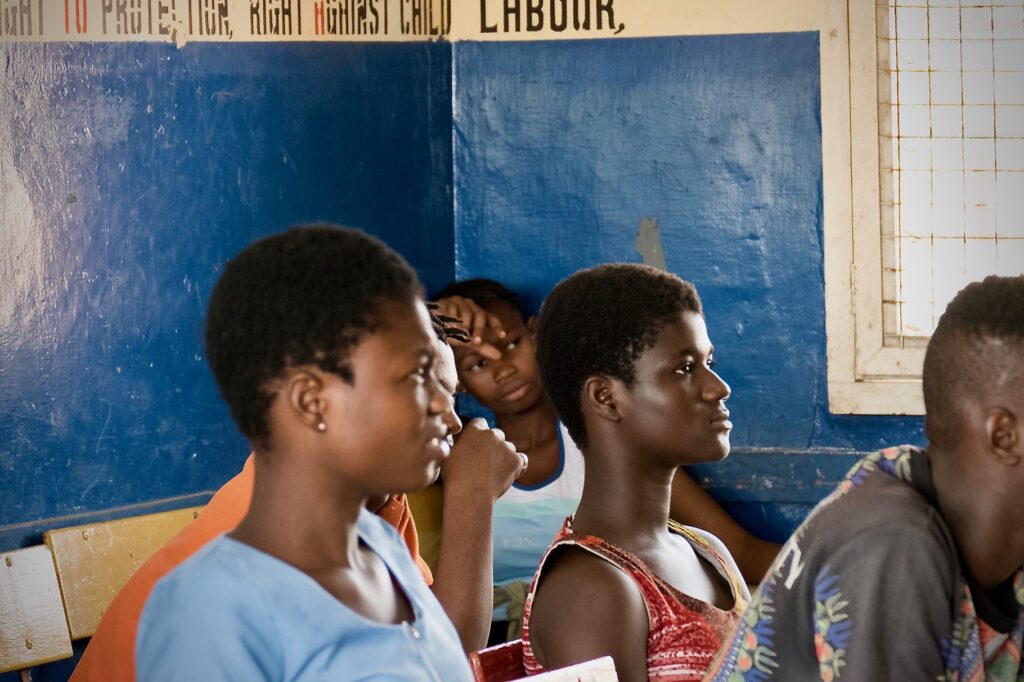
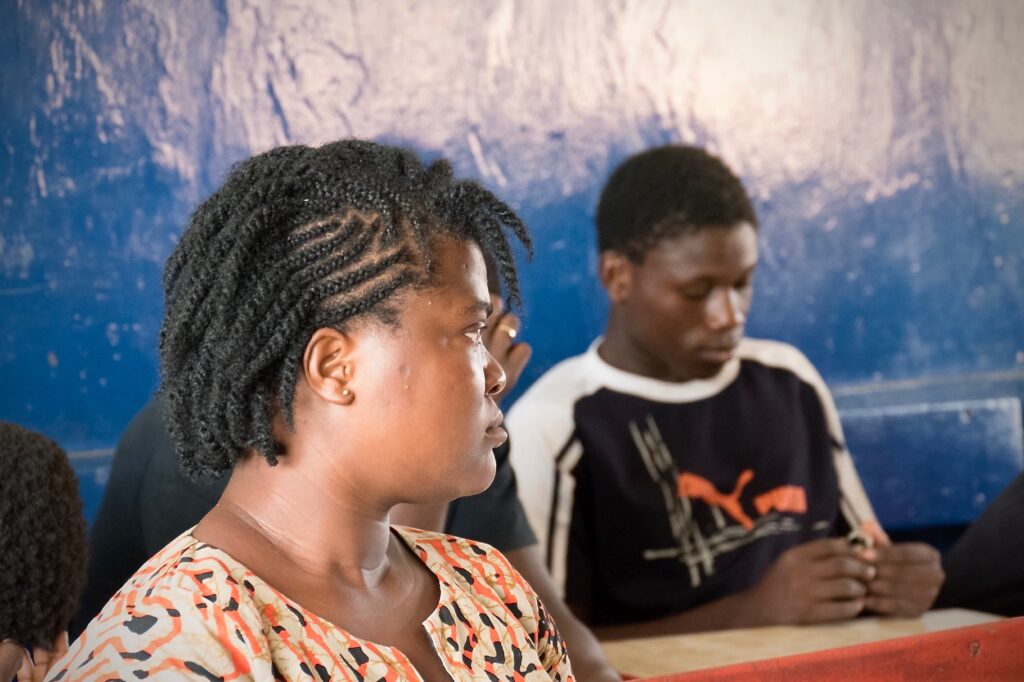
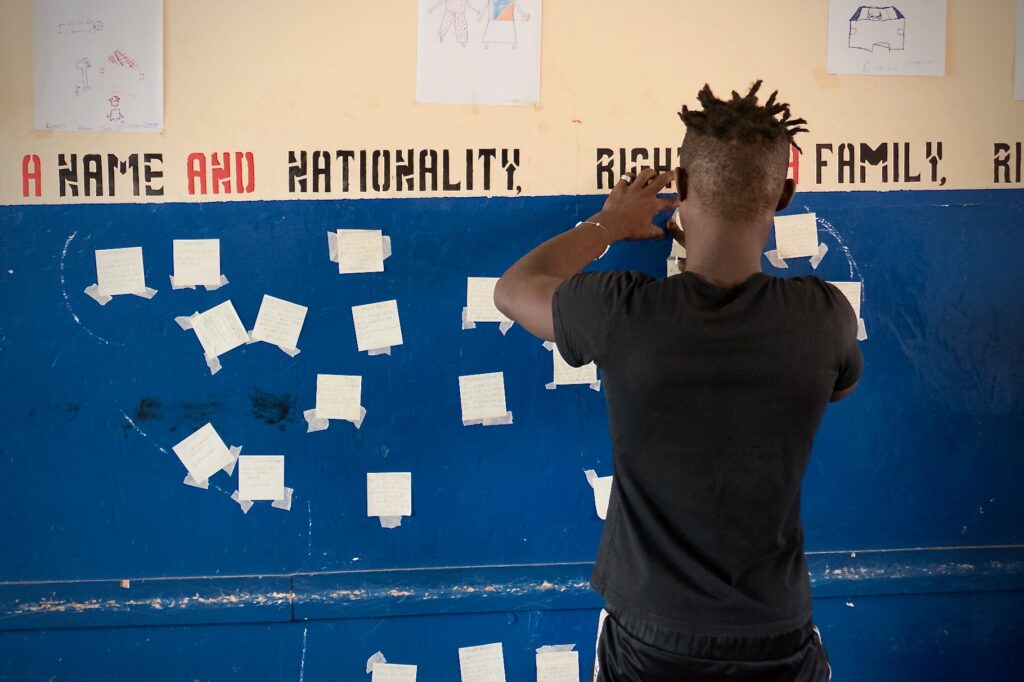
Bernice is one of many street children living and working on the streets of Accra, Ghana. Together with 14 other street children, she participated in 5 workshops in March 2019 as part of a project 100% for the Children has started. The project will help nuance negative victimisation images of street children in the development industry. It will also engage social work students in actively involving vulnerable children and young people in change-making initiatives.
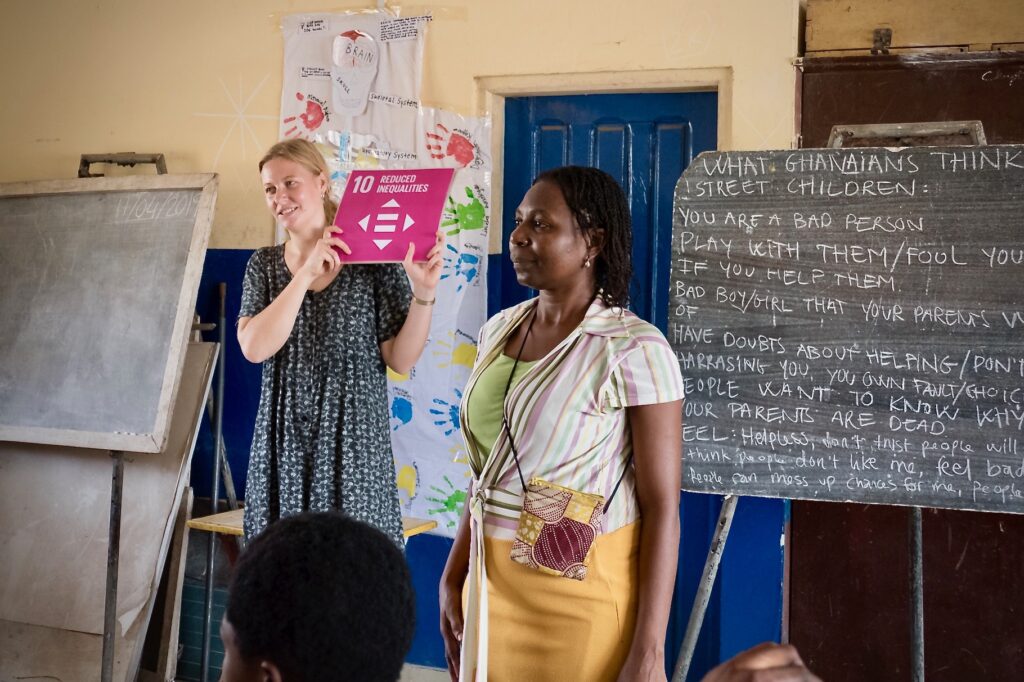
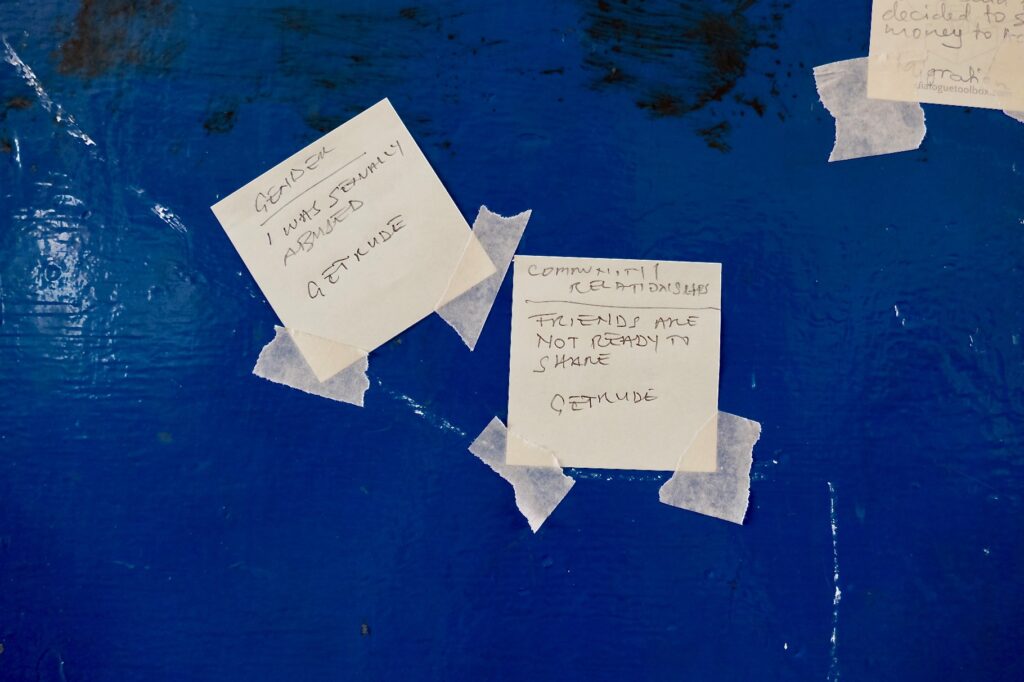
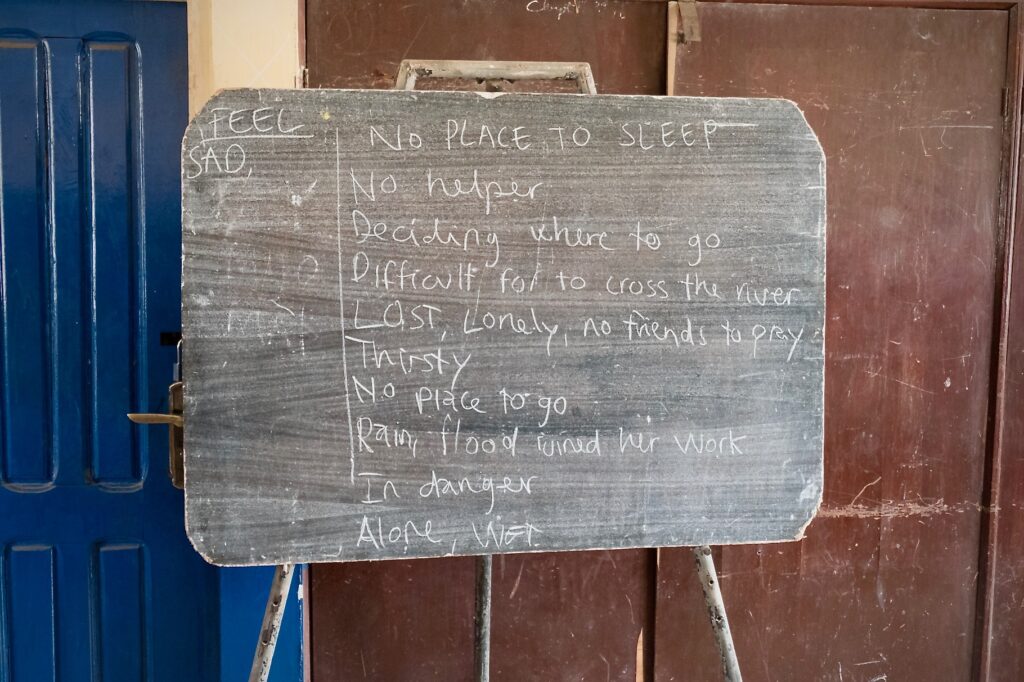
The 5 workshops were primarily developed by social worker students from University College Copenhagen and will form the basis of a training material for students in the social worker programme. The 5 workshops were planned based on the street children telling their migration story and formulating challenges and solutions in relation to the topics 1) home 2) movement 3) community and 4) gender.
Street children are in a vulnerable and often stigmatised position in society and many narratives about street children are based on the challenges they face without mentioning the resources they possess. The 5 workshops were designed to involve the children as active agents of change. The children were therefore challenged to define problems and solutions, both in their own lives and in relation to the global development issues addressed by the UN's 17 Global Goals.
I really don't know what I would do if I couldn't collect rubbish. I prefer this work, even though it's hard. There's a reason for that: collecting rubbish is quite lucrative. You can get money right away and I'm used to working on the spot. I earn up to 70 cedi (86.50 Danish kroner) a day working at the dump, but if I could get help to learn a trade, I would stop working at the dump. I want to be a mechanic. I believe that it will happen.
Stephen Oduro, 16 years old.
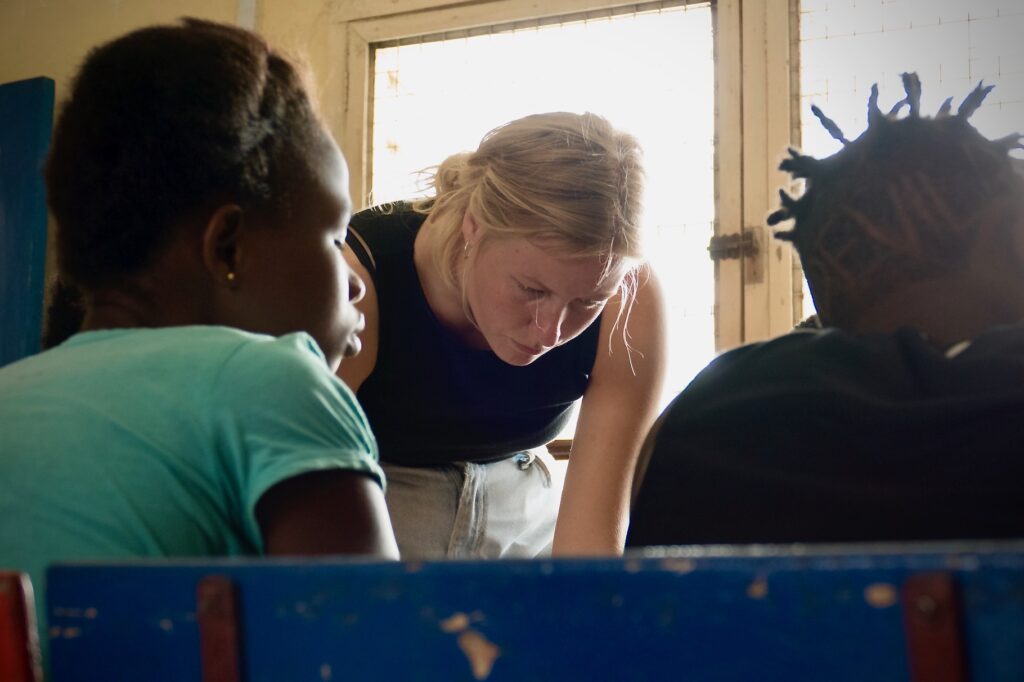
Many reflections preceded the field trip to Accra, Ghana, where social work student Gry was responsible for organising the five workshops. She was accompanied by photographer Mijo Sandvej and journalist Mai Rasmussen, who together would ensure that the children's pictures and stories were brought home with the aim of telling a different story about the children. One that also encompassed all their strengths, values and resources and showed the street children as they see themselves and as they want the world to see them.
The thoughts prior to the trip were largely about how to actively involve children and young people in formulating problems and solutions and especially how the experiences from Ghana can engage social work students back in Denmark. The goal is that both the photo book and the exercise booklet will ultimately lead to social work students being strengthened in actively involving their target group and taking an interest in the SDGs in their social work.
In this project, I really think I've learnt something about involving people, and I think the concept of involvement is something you have to have a lot of respect for because it's not easy. Especially not when you come from Denmark and think you know a lot about how to work with people.
Gry Baunegaard Danielsen, Social Work student and volunteer in 100% for the Children.
You can plan a lot in advance, but sometimes you have to change plans because of the context and the people involved. Gry, Mijo and Mai found that the context in particular caused problems for the plans that had been made in advance. They were denied access to the rubbish dump where many of the boys work and where the photos were planned to be taken.
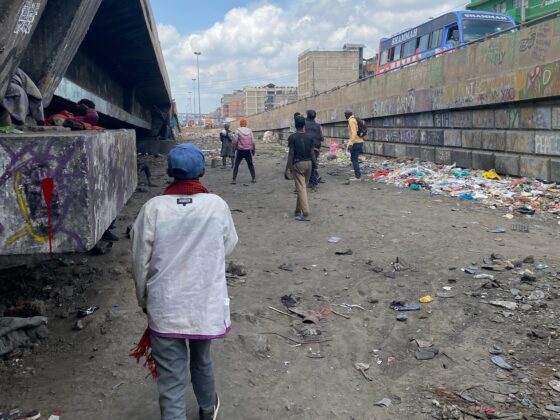
Fortunately, you learn a lot when you are challenged to look at things in new ways. For example, it turned out that the girls most often don't work at the rubbish dump and that street children generally work and live in many different places on the streets. Accra was full of different spots that told the story of the children and their lives on the streets.
Back in Denmark, Mijo says that letting go of control - over the context, the children and, to a large extent, the image - was challenging, but also an amazing experience where the children's personalities and strengths really shine through.
We can examine each other's exterior and imagine something behind it, but we can never know for sure what life we are facing.
Mijo Sandvej, volunteer photographer.
Back in Denmark, many aspects of the project will be discussed between the four volunteer social work students, 100% for the Children and Copenhagen University College. The exercise booklet is still being prepared and one of the most important things for Gry, Inger, Viola and Heidi is that the material is of such high quality that it will be used in the programme for many years to come.