In Kenya, they do not fear corona. They fear hunger
By Carsten J. Le Blond Willersted, local project coordinator in Kenya


In Kenya, we detected the first case of corona on 13 March. The same day that Denmark more or less shut down. The number is gradually increasing every day, but hides a huge number of unreported cases, as most people here cannot afford to go to the hospital if they get sick. And if they did go to hospital, there isn't enough equipment to test them. To date, the number of people infected is 59, of which 1 has died.
Because if you don't go out, you have no income and therefore no way to support your family.
Carsten talks about the conditions of most families in Kenya
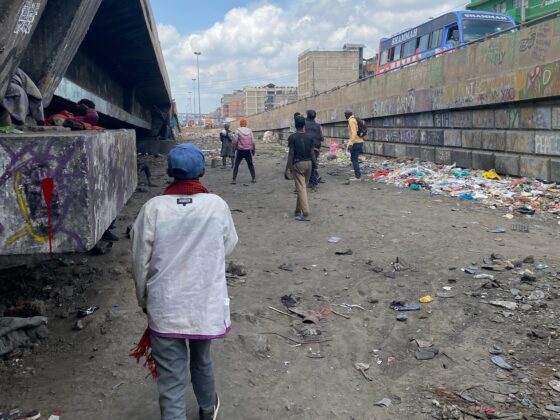
We, like many other places in the world, have been encouraged to stay at home and avoid too much social contact when we finally venture outside. But in a country where so many people live either below or just around the absolute poverty line, telling people to stay indoors is a choice between plague or cholera. Because if you don't go out, you have no income and therefore no way to support your family.
Curfews, myths and mistrust
On Friday 27 March, a curfew was introduced. For the time being only from 7pm to 5am, but everyone expects it to apply 24 hours a day. The president is balancing on a knife-edge - on the one hand, he must prevent too many people from becoming infected and on the other hand, the population must still be able to survive.
When people are told that there is "only" a curfew after dark, a lot of myths are created. "Is the corona virus only dangerous after dark?" is asked as people merrily gather in clusters during the daytime.
In Kenya, people don't fear corona. They fear not being able to eat, not being able to pay rent and not being able to provide for their families.
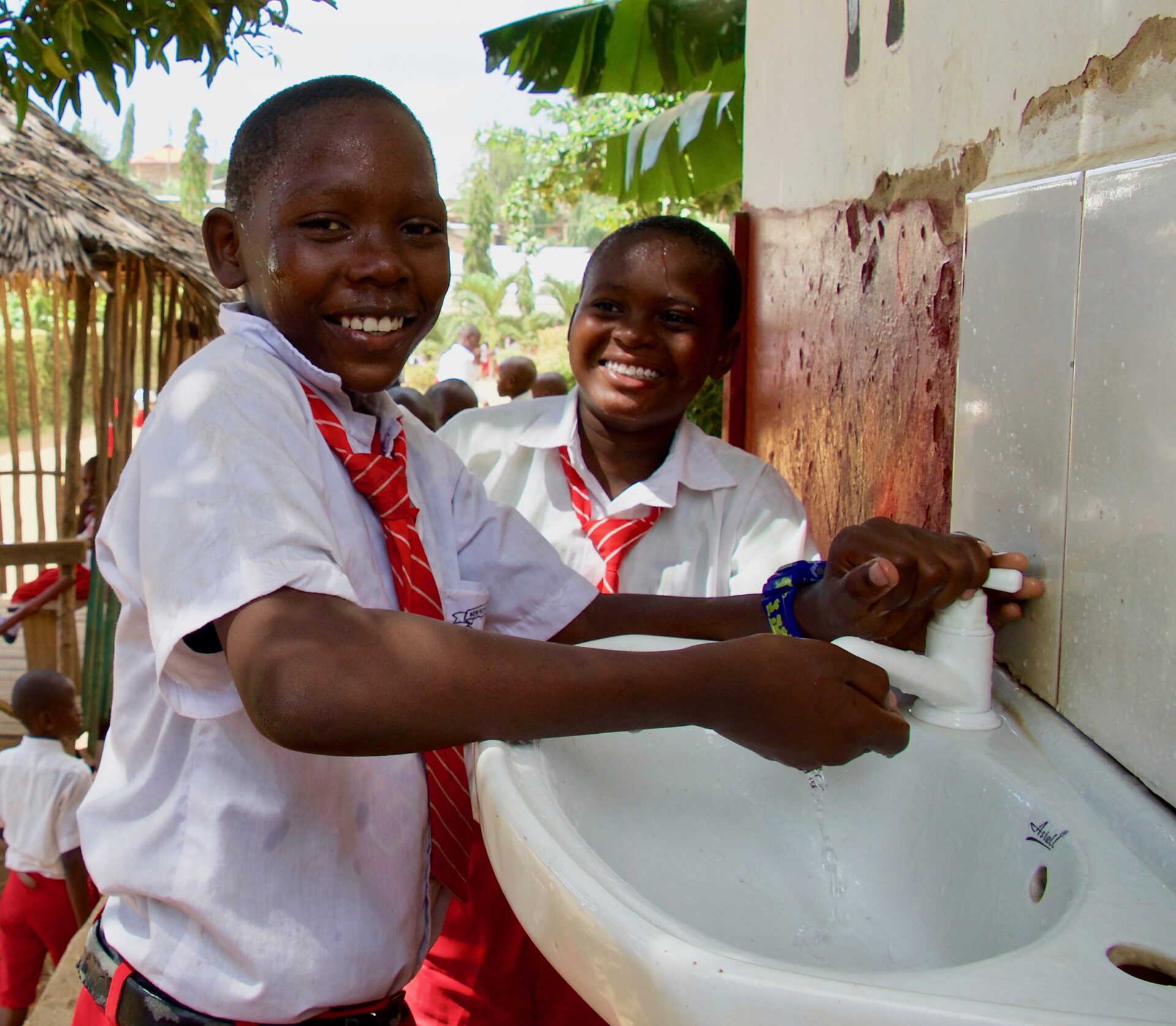
Many people in Kenya don't believe what comes from politicians. In many places down here you hear people saying: "If the corona virus was really as bad as the politicians say, why aren't they distributing soap and water?" The lack of clean water is omnipresent down here, so it rings hollow when the president urges us to wash our hands many times a day.
All schools are temporarily closed until May. Homeschooling options are non-existent for most students. The Ministry of Education has started broadcasting programmes on radio and TV stations that broadcast lessons for the different grades. But in the slums and rural areas where most people live, it's not about education, it's about survival. In this context, children are seen as equal members of the family, who must also contribute to the family's livelihood. And this is becoming increasingly difficult as income opportunities have been significantly reduced in recent weeks.
In Kenya, people don't fear corona. They fear not being able to eat, not being able to pay rent and not being able to provide for their families.