To me, these parents have something very special. They have a will like no other and I have the deepest respect for their efforts. It should be no secret that APDK (APDK Rehabilitation Clinic) is very close to my heart. The first time I visited the project was back in 2010, when I volunteered for two months as part of my bachelor's thesis at the social work programme and I have to admit that it was love at first sight.
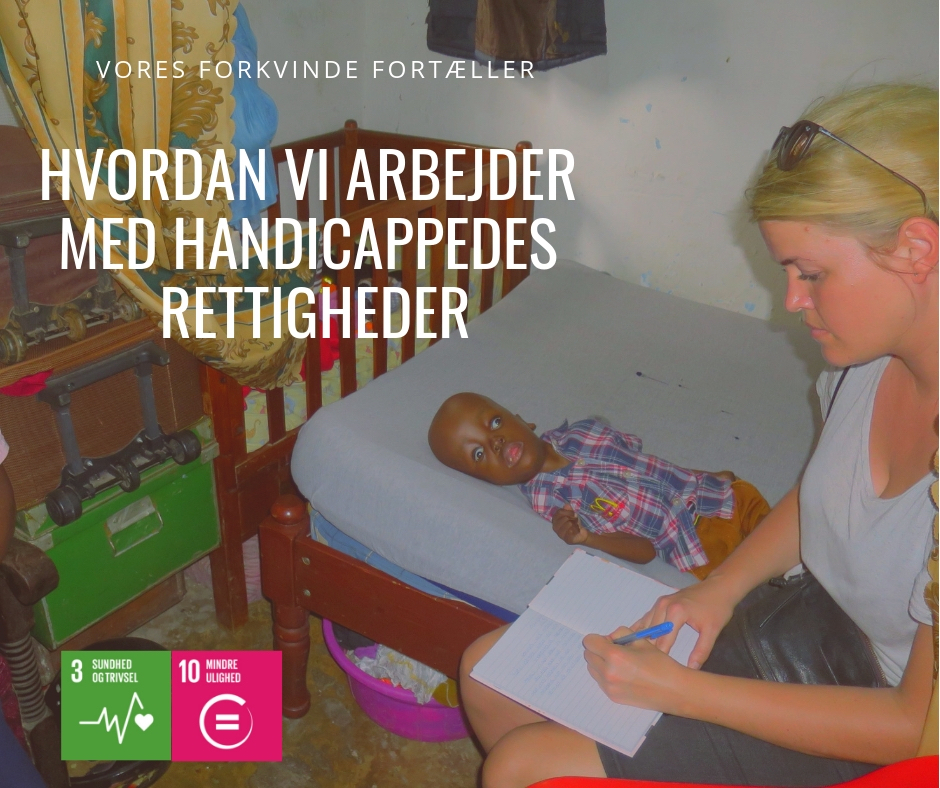
The project supports a group of 15 children with special needs, which in Kenya is a very vulnerable target group. Some of the children have congenital disorders, while others have suffered injuries early in life. Our support helps the children receive physiotherapy, prosthetics and counselling - while we work to secure the conditions and get the children out of landfill.
In January 2018, I visited APDK again with two of my colleagues from 100% (Camilla Olesen and Camilla Legendre with their son Louis). I had been dreaming about this day since I said goodbye 8 years ago. It was a wonderful reunion, and I was full of emotions before, during and after the visit.
Meeting the children
The APDK team had organised a meeting with the children and parents/carers associated with the project we support. On the way to the meeting, I was a little nervous and my heart was beating faster. The meeting gave rise to many smiles, but at the same time I felt tears welling up.
In an official presentation round, the relatives told the children's stories and described the impact the project has had on the children's development so far. The tour came to us from 100% for the Children. I swallowed a lump in my throat and as soon as I opened my mouth, the tears came. It was hard to gather my thoughts and in the moment, I was overwhelmed by the importance of the project.
The importance of 100%'s work
Many of the families come from far away and despite the fact that they don't have many resources, they have made a decision to do what they can to improve the quality of life of these children and their ability to participate in society on equal terms with their fellow citizens.
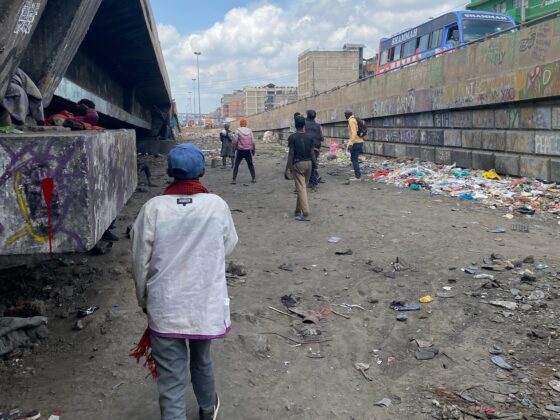
Several of the families live in and around Mombasa's rubbish dump. If the parents can afford it, they take the bus, but many walk with their child on their back the 15 kilometres to and from the hospital where APDK is located. Therefore, 100% and APDK contribute to activities for the parents that give them an income, such as small, self-employed jobs. In my eyes, these parents have something very special. They have a will of a different kind and I have the deepest respect for their efforts.
Why APDK is important
Almost 6 years ago I was blessed with a nephew. He is the greatest gift and just the thought of him brings the warmest smile to my lips. My nephew was born with Down's Syndrome, which can be a struggle even in Denmark. But the Danish state helps him. The children in Mombasa are not so lucky. They rely on individuals or organisations like 100% and APDK to take the initiative. In addition to help, every day will be a fight against social marginalisation for the children, as in Kenya it is a great shame to have a disabled child. As chairman of the board of 100%, it is a great privilege for me to be able to work with people who you can tell are passionate about what they do, and at the same time have the will to continue where others would have thrown in the towel long ago. In my opinion, that's the definition of a passionate person.