Queens of Poetry - Motherhood in Kenyan slums and Zambian prisons
In collaboration with Publisher Ordskælv published 100% for the Children and Ubumi Prisons Initiative the poetry collection Queens of Poetry - Motherhood in Kenyan slums and Zambian prisons. The poems are written by women and mothers and were created during creative workshops held in a safe house in the slums of Kenya and in prisons in Zambia. With babies in their arms and deep dives into their personal experiences of motherhood, the young women write poems for a better future for their children and bring hope into everyday life. The poetry collection was launched during Golden Days 2-18 September 2022.
The girls and women we work with in 100% for the Children and the Ubumi Prisons Initiative have one thing in common They are in a vulnerable position in society, often due to poverty or poverty-related reasons. For example, a young woman in Kenya may become involved in prostitution because she feels responsible to earn money for her family's survival and suddenly finds herself pregnant at a young age and further ostracised by her family because of the pregnancy. Or it could be a mum in Zambia who gets involved in selling drugs to earn money for food or school fees. Other reasons include domestic violence, domestic abuse and primary responsibility for childcare. In Zambia, young women also face imprisonment for abortion.
Although 100% for the Children and Ubumi work with different target groups in different contexts, we have joined forces to communicate about motherhood. No matter where you are, you're still a mum. It's true for the young girls in the slums fighting for a better future for their children. And it's true for the women in Zambian prisons who long to be with their children.
LEARN MORE ABOUT WOMEN'S CONDITIONS IN KENYA AND ZAMBIA
And meet some of the women behind the poems
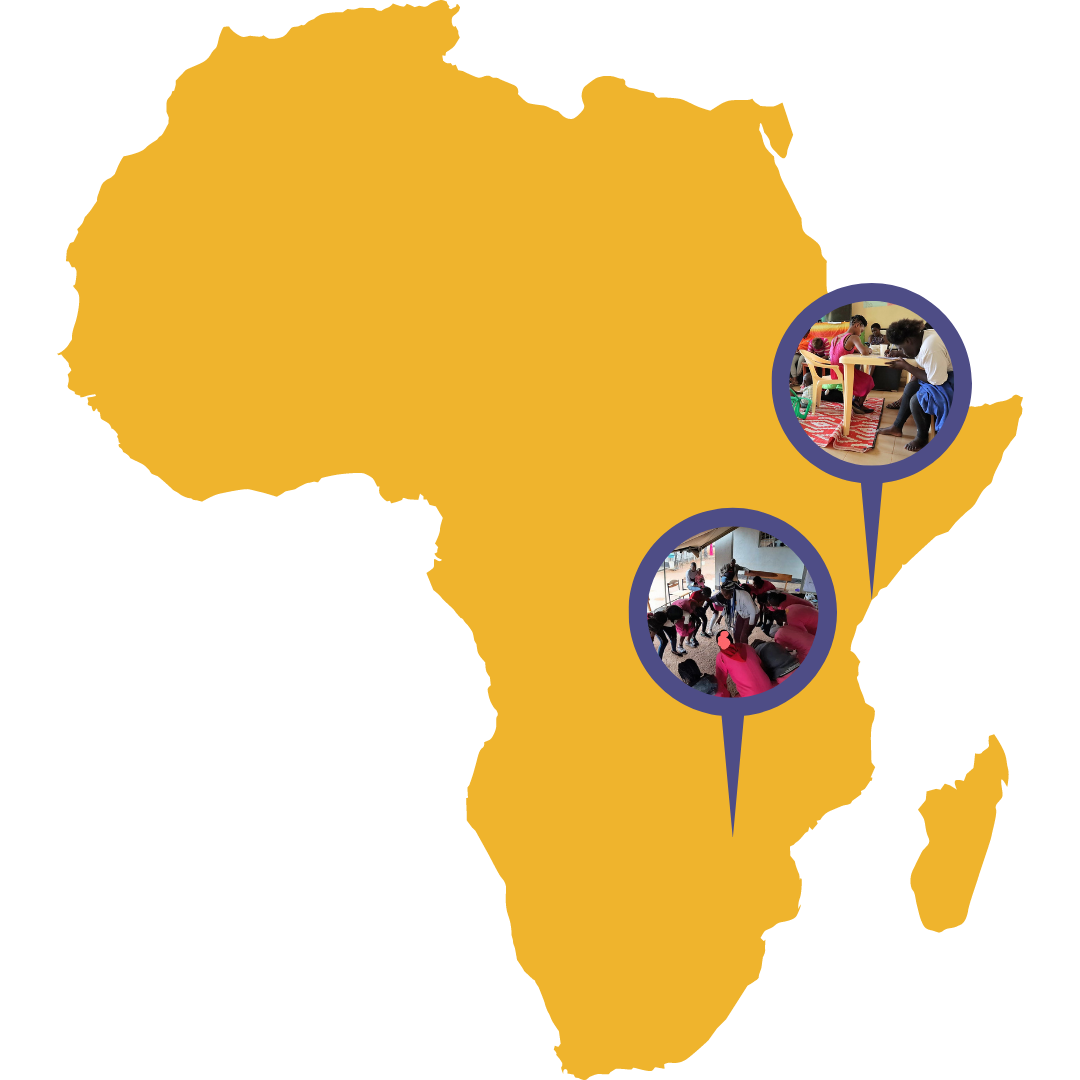
Kenya's slums
In Kenya, as in many other places, COVID-19 meant national restrictions limiting freedom of movement, shutting down schools and unfortunately robbing many families of their livelihoods. This pushed more families into extreme poverty, especially in the slum areas of the country, where even before COVID-19, most families lived below the poverty line - most families live on around $2-3 a day. Both nationally and locally, the country saw an increase in pregnancies among girls aged 10-19 - in January and February 2022 alone, 45,724 pregnancies among young girls aged 10-19 were reported.
In the Mlolongo slum, the girls' stories are different, some have had to sell their bodies for money or food, some have been abused at home and some have lacked access to condoms or other protection.
What they all have in common is that they got pregnant at a young age and then experienced family and friends turning their backs on them. They were left alone with a huge responsibility at a young age and nowhere to turn. Fortunately, they found each other in a safe house where, through 100% for the Children and in collaboration with Poetry House, they had the opportunity to write poems.
Zambia's prisons
There are approximately 23,000 inmates in Zambian prisons. Of these, approximately 500 are women and 50-70 young children aged 0-4 years who are in prison with their mothers. In general, the ratio of women to men is low in Africa compared to the rest of the world. Zambia is very low with its approximately 2% compared to other African countries where the average is 3% compared to a global average of approximately 7%.
Prison conditions are characterised by massive overcrowding, with two to three women sharing a mattress at night. There are fleas running around and it's filthy, even though the women struggle to keep their cells and surroundings clean. They eat the same food every day: rice for breakfast and corn porridge with beans in the late afternoon. Neither children nor adults can survive on that food in the long term.
Women are typically imprisoned for theft, but also for drug-related offences and fraud. Some are convicted of murder or manslaughter. There is no publicly available data on this from prisons in Zambia, although we know that approximately 25% of inmates are waiting to be sentenced. We also know that this wait can drag on for years. Both men and women risk spending years in prison only to be acquitted. At the same time, life outside often falls apart. Maybe the relationship breaks down. Maybe you can no longer afford to pay for your children's schooling and they drop out of school and develop a lot of problems.
Ann's story
Ann is 18 years old and lives with her mother and 4 siblings in Bawaziri slum. Ann's mother and father are no longer together as her father was an alcoholic and abusive to Ann's mother. Ann's mother relies on casual labour in the slum to earn money for their survival.
During COVID-19, Ann's family struggled to survive due to a lack of jobs and therefore money for food. Ann desperately wanted to help her mum get money or food for the family. Ann was tricked by a man in their slum who promised her money and food for the family in exchange for her having a sexual relationship with him. Ann became pregnant at the age of just 16. When she told the man that she was pregnant, he ran away immediately.
Ann is unhappy about her circumstances. So is Ann's mum who doesn't know how to feed another child. Through Positive Life Kenya, Ann has been given the opportunity to learn to sew and can now use this new skill to earn money for her family.
In the future, Ann dreams of returning to school and completing her education.
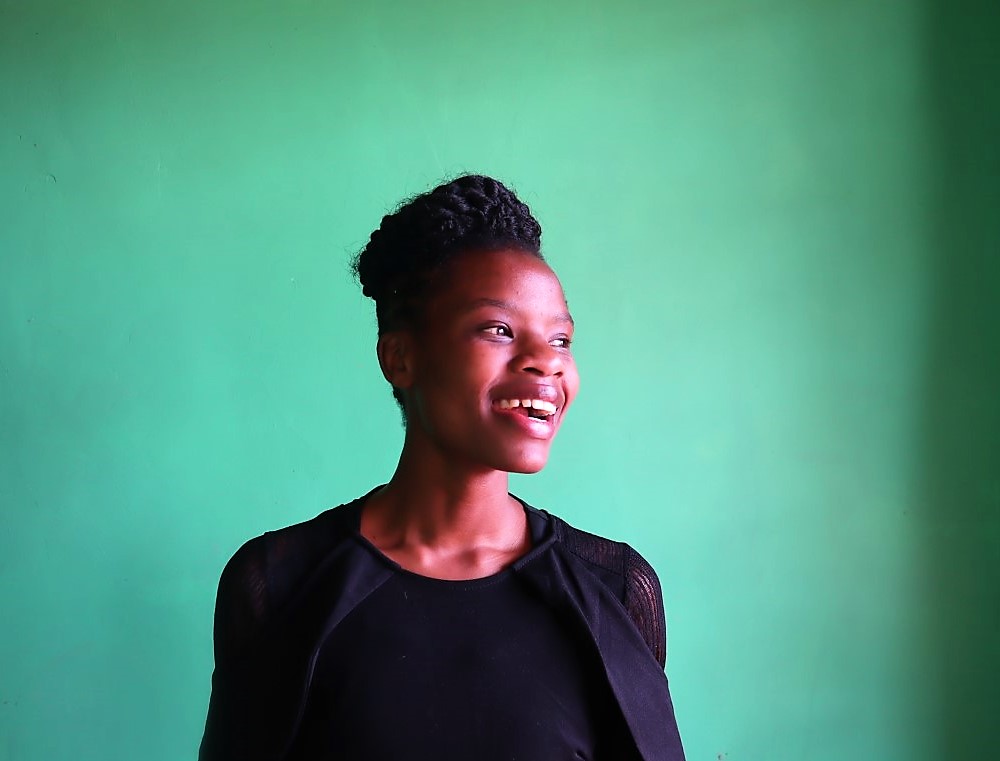
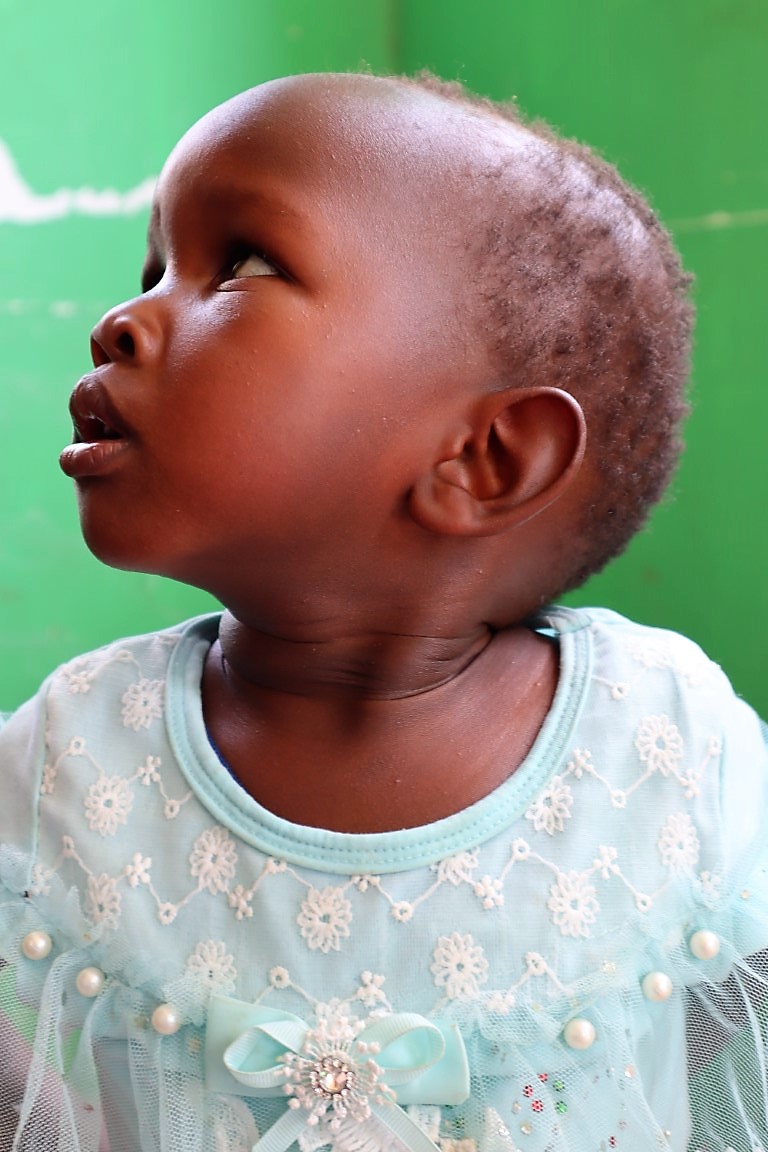
Mary's story
Mary has been wrongfully imprisoned and convicted for something she didn't do. She has been sentenced to 18 years for murder. When we meet her, she has no idea what the future holds.
She is scared and she finds it very difficult to live with the fact that she is in prison, precisely because of the injustice, but also because she is fundamentally shocked that she has been convicted at all.
Mary tells us: I miss my children and my husband. I worry so much about my sick mum because I don't know if anyone is taking care of her. My children miss me a lot and I can't be there for them.
Mary is unsure about her whole life. Her husband tells her he's fighting for her, but she's afraid he'll leave her. She's afraid of losing everything and it's clear to see how the pain of not being there for her children is consuming her.
I am so lonely. I can't trust anyone, neither staff nor inmates. We are treated in a degrading way. We have to work in the fields every day in the burning sun. I miss my children, my husband and my mum. Every day I wonder if today will be the day I get out of hell, says Mary, crying.
Mary ends up spending 4 years in prison before being acquitted. Mary's name has been changed for her safety.
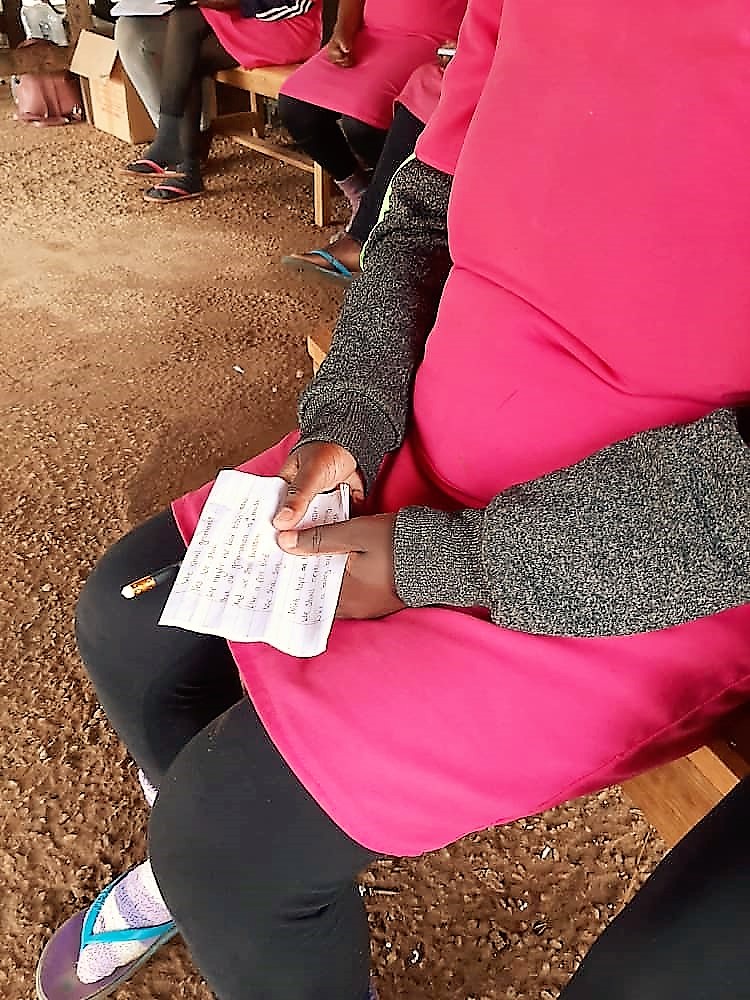
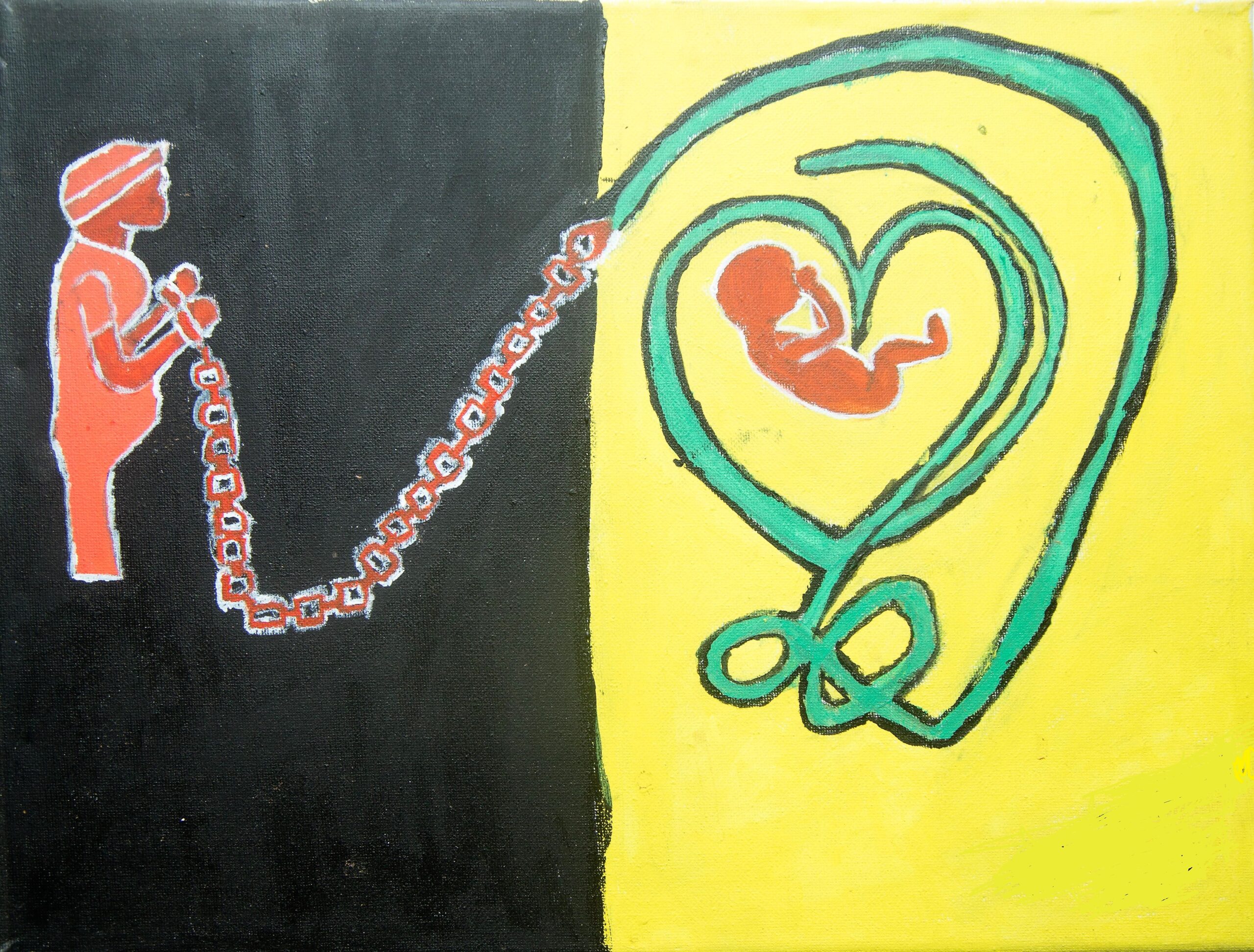
A look inside the Queens of Poetry
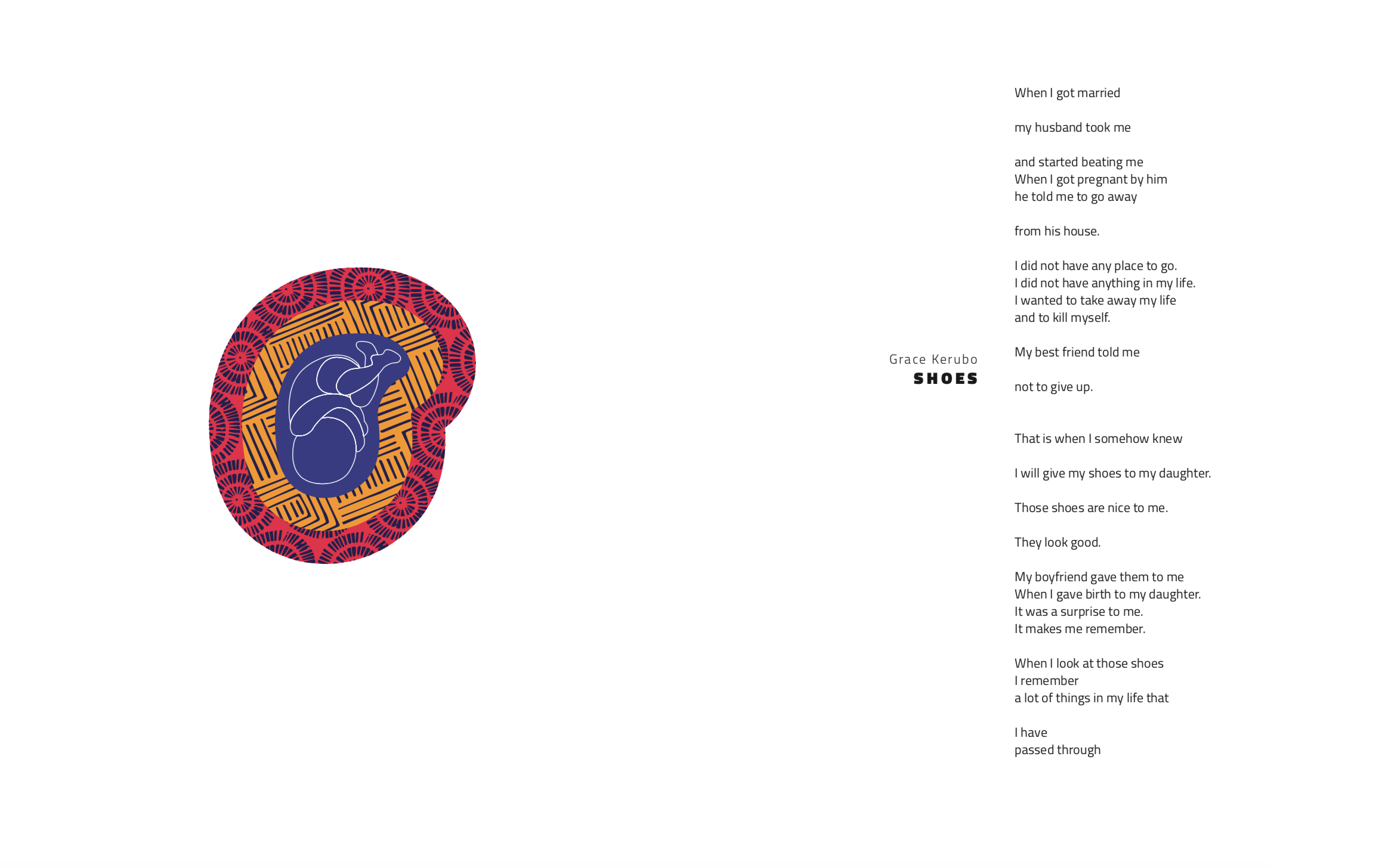
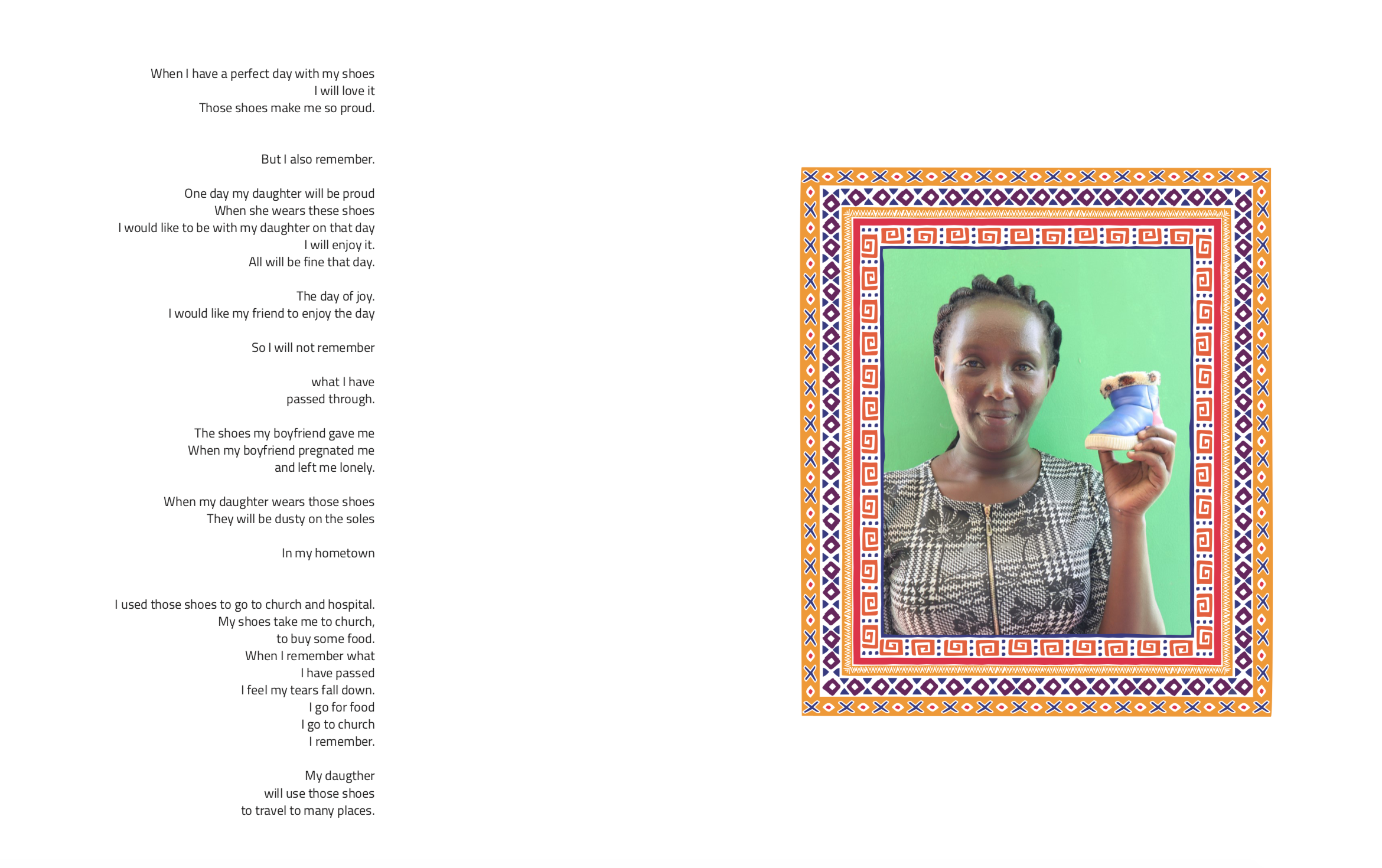
Queens of Poetry - Motherhood in Kenyan slums and Zambian prisons is part of a public awareness project funded by Danida's public awareness programme. The project is a collaboration between 100% for the Children and Ubumi Prisons Initiative and the publisher Ordskælv.